
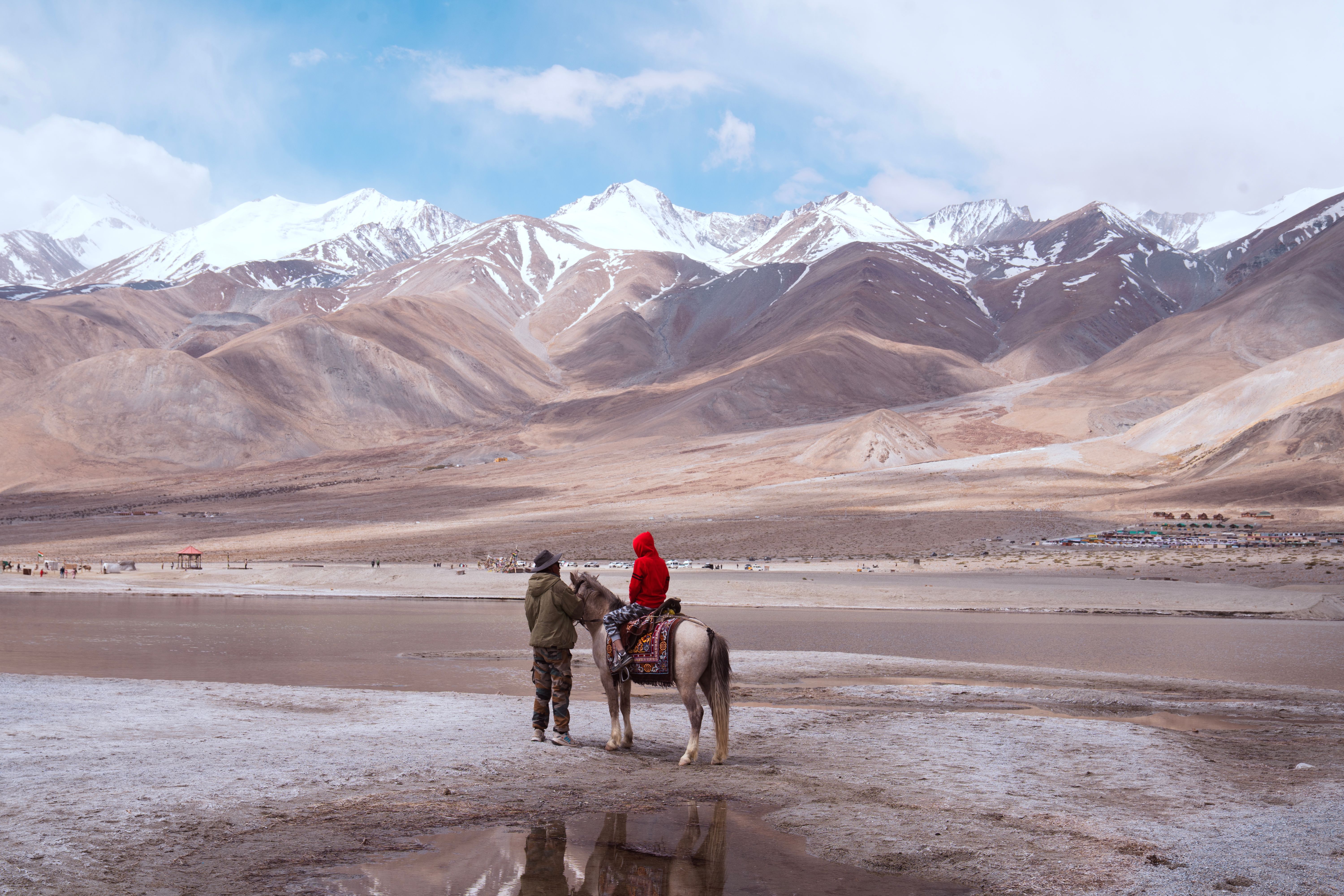
In 2026, sustainable off-grid adventure travel is more than a trend; it's a movement. Discover how eco-conscious explorers are embracing remote wilderness, digital detoxes, and responsible tourism. This guide reveals the best adventure gear, top eco-friendly tours, and essential booking tips for unforgettable, low-carbon footprint journeys into nature's most pristine landscapes.
Introduction to the Topic
Welcome to 2026, where the call of the wild is stronger than ever, and the desire to disconnect has reached an all-time high. But this isn't just about escaping the digital noise; it's about doing so responsibly. Sustainable off-grid adventure travel has surged to the forefront of the travel industry, offering intrepid explorers the chance to immerse themselves in untouched wilderness while leaving virtually no trace. This isn't just a vacation; it's a profound reconnection with nature, a test of self-reliance, and a powerful statement about environmental stewardship. From the rugged peaks of Patagonia to the serene fjords of Norway, adventurers are seeking authentic, challenging, and eco-friendly experiences that revitalize the spirit and respect the planet. Are you ready to answer the call?
Backgrounds & Facts
The landscape of adventure travel has dramatically evolved in recent years. Post-pandemic shifts, coupled with a heightened global awareness of climate change, have catalyzed a transformation in traveler priorities. By 2026, data from the Global Eco-Tourism Institute indicates that over 60% of adventure travelers prioritize sustainability when booking their trips, a significant jump from a decade ago. The rise of remote work has also enabled longer, more immersive journeys, with individuals often blending extended stays in off-grid locations with their professional lives. This has fueled demand for robust, reliable, and eco-friendly adventure gear, as well as specialized sustainable travel packages.
Furthermore, technological advancements in portable power solutions (ultra-efficient solar chargers), water purification (advanced filtration systems), and satellite communication devices have made formerly inaccessible regions safer and more manageable for the average, yet prepared, adventurer. Destinations like the pristine backcountry of the Canadian Rockies, the remote islands of Raja Ampat, Indonesia, and the vast expanses of the Namib Desert are no longer exclusive to extreme survivalists but are now accessible through carefully curated, low-impact expeditions. The focus isn't just on reaching these places, but on experiencing them deeply, respecting local cultures and ecosystems, and contributing positively to their preservation. This commitment to responsible tourism is defining the next generation of adventure.
Expert Opinion / Analysis
“The shift towards sustainable off-grid adventure isn't merely a trend; it's a fundamental recalibration of our relationship with travel and the environment,” states Dr. Anya Sharma, lead researcher at the Global Eco-Tourism Institute. “Travelers in 2026 are savvier. They're not just looking for thrills; they're seeking meaning, authenticity, and a clear conscience. They demand transparency from operators regarding their carbon footprint, waste management, and community engagement.”
Liam O'Connell, CEO of 'Wilderness Expeditions Co.', a leading provider of sustainable adventure tours, echoes this sentiment. “We've seen a massive uptake in our 'Leave No Trace' certified expeditions. Our clients are actively seeking experiences that not only challenge them physically but also educate them on local conservation efforts. They want to be part of the solution, not just observers. This means choosing operators who invest in local communities, use renewable energy sources at their base camps, and provide comprehensive pre-trip education on environmental best practices.”
The consensus among experts is clear: while the allure of untouched wilderness is powerful, the responsibility lies with both the traveler and the industry to ensure these precious environments remain pristine for future generations. This includes careful route planning, minimizing waste, supporting local economies, and adhering strictly to ethical wildlife viewing guidelines. The true adventure, they argue, is in embracing the challenge of exploring sustainably.
💰 Best Options in Comparison (VERY IMPORTANT)
Navigating the world of sustainable off-grid adventure can seem daunting, but 2026 offers an array of incredible options catering to different budgets, skill levels, and desired levels of immersion. Whether you prefer a fully guided luxury experience or a self-supported expedition, here are the top categories and what to consider for booking your next eco-conscious journey.
- Guided Eco-Expeditions (Premium Experience): For those seeking expert guidance, top-tier sustainable amenities, and a focus on educational immersion. These packages often include specialized adventure gear, gourmet wilderness meals, and expert naturalists.
- Self-Guided Sustainable Backpacking (DIY & Gear-Focused): Ideal for experienced adventurers who prefer independence. This option requires significant investment in high-quality, lightweight, and eco-friendly outdoor gear (tents, sleeping bags, water filters, solar chargers, satellite communicators) and thorough planning.
- Eco-Friendly Wilderness Retreats (Comfort & Connection): A hybrid option offering comfortable, sustainably built accommodations in remote settings. Think luxury eco-lodges or glamping sites that emphasize minimal environmental impact, farm-to-table dining, and guided soft adventures like wildlife photography or yoga.
To help you choose, here's a comparison of key factors:
| Option Type | Price Range (USD) | Difficulty Level | Sustainability Focus | Ideal For | Key Gear/Services |
|---|---|---|---|---|---|
| Guided Eco-Expeditions | $3,000 - $15,000+ | Moderate to Challenging | Certified 'Leave No Trace' operators, community support, conservation education, carbon offsetting. | First-time off-gridders, those seeking expert knowledge, luxury adventure. | All-inclusive packages, high-end gear provided, expert guides, gourmet meals, satellite comms. |
| Self-Guided Backpacking | $500 - $3,000 (gear dependent) | Challenging to Expert | Personal responsibility for waste, minimal impact camping, ethical sourcing of gear. | Experienced adventurers, budget-conscious, desire for ultimate independence. | Personal purchase of lightweight eco-gear (tent, sleeping bag, water filter, solar charger, GPS/satellite communicator). |
| Eco-Friendly Wilderness Retreats | $1,500 - $8,000 | Easy to Moderate | Sustainable architecture, local sourcing, renewable energy, waste reduction, community engagement. | Couples, families, those seeking comfort with nature immersion, wellness focus. | Luxury eco-lodging, guided soft adventures, farm-to-table dining, spa services. |
When booking, always look for certifications such as 'B Corp', 'Green Globe', or 'Ecotourism Australia'. Read reviews on platforms like Responsibletravel.com or BookDifferent.com, and directly inquire with operators about their sustainability policies and impact reports. Investing in a high-quality satellite communicator (e.g., Garmin inReach, Zoleo) is non-negotiable for any serious off-grid venture, ensuring safety and emergency contact.
Outlook & Trends
Looking ahead, the sustainable off-grid adventure sector is poised for even greater innovation and growth. By 2027-2028, expect to see the widespread adoption of biodegradable and compostable outdoor gear, reducing the environmental impact of equipment. AI-powered expedition planning tools will become standard, offering personalized, hyper-optimized routes that account for weather, terrain, and real-time environmental data, further enhancing safety and minimizing disturbance.
Regenerative tourism will move beyond mere sustainability, with trips actively contributing to ecosystem restoration and local community empowerment. Imagine expeditions where travelers participate in reforestation projects, wildlife monitoring, or waste clean-up initiatives as an integral part of their adventure. Furthermore, the integration of virtual reality (VR) and augmented reality (AR) could offer pre-trip immersive experiences, allowing adventurers to virtually scout locations and prepare, while also providing educational overlays during the actual journey without detracting from the natural beauty. The future of adventure is not just about going off-grid, but about becoming an active, positive force within the wild spaces we cherish.
Conclusion
The year 2026 marks a pivotal moment for adventure travel, where the thrill of exploration meets the imperative of sustainability. Sustainable off-grid adventure offers an unparalleled opportunity to unplug, challenge yourself, and forge a deeper connection with the natural world, all while making a conscious choice to protect it. Whether you opt for a fully guided eco-expedition, a self-supported backpacking trip, or a serene wilderness retreat, the options for responsible, high-impact travel are more diverse and accessible than ever before. It's time to invest in experiences that not only enrich your life but also contribute to a healthier planet. So, pack your ethically sourced gear, book your low-impact journey, and prepare to discover the untamed horizons that await you. Your next great adventure, one that truly matters, is just around the corner.