
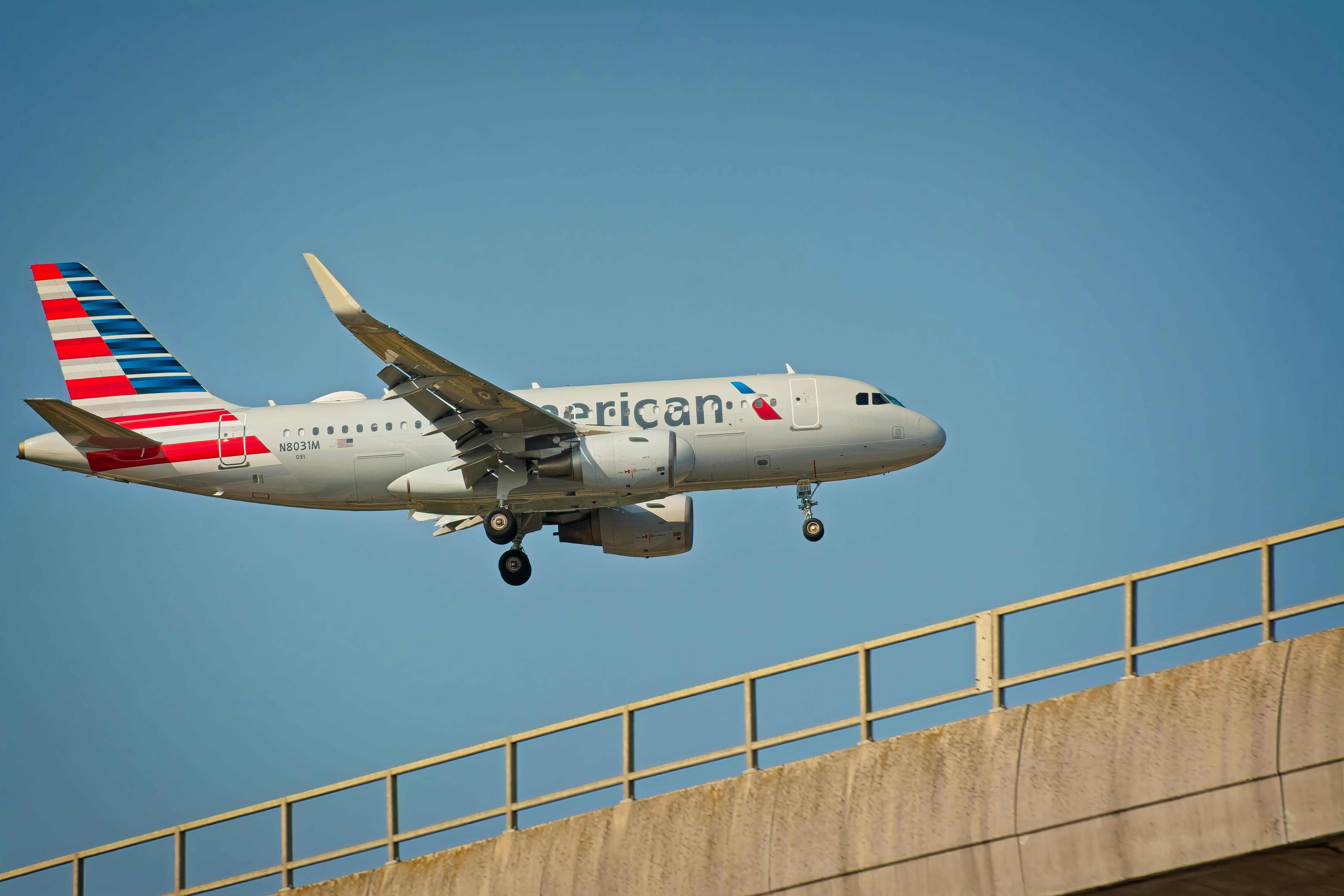
Unlock the best 2026 flights & airlines deals for max US savings. Expert analysis reveals top strategies, budget carriers, and premium value for American travelers.
💰 Secure Top Deal: Go straight to the offer →
📍 More from this category: Flights & Airlines – All Articles
Introduction: The Real Story Behind Maximizing Your 2026 Flight Savings
Best Flights & Airlines 2026: Ultimate Comparison →
Forget everything you think you know about booking flights. As we peer into 2026, the landscape of air travel deals is not just evolving; it’s undergoing a significant transformation, driven by advanced algorithms, shifting economic forces, and a more discerning American traveler. The days of simply clearing your browser cookies and hoping for a miracle are long gone. To truly secure the best 2026 flights and airlines deals, you need a sophisticated strategy, informed by deep market insights and a proactive approach. This isn't about finding a needle in a haystack; it's about understanding the haystack itself – its composition, its cycles, and its hidden pathways to unparalleled savings. For US travelers, navigating this complex environment means understanding domestic carrier strategies, international route dynamics, and leveraging technological advancements to your advantage. Are you ready to stop overpaying and start flying smarter?
Deep Dive: Backgrounds, Facts, & US Market Data for 2026 Airfare
The US air travel market in 2026 is poised for a fascinating blend of stability and dynamic pricing. Post-pandemic recovery has largely stabilized, with passenger volumes expected to consistently exceed 2019 levels. However, this doesn't automatically translate to consistently lower fares. Several key factors will dictate pricing strategies:
Airline Capacity & Fleet Modernization
Major US carriers like Delta, American Airlines, and United are continuing their fleet modernization efforts, bringing in more fuel-efficient aircraft. While this can theoretically reduce operational costs, the transition itself can create temporary capacity constraints on certain routes. Conversely, budget carriers such as Spirit Airlines, Frontier, and Allegiant are expanding their networks and fleet sizes, intensifying competition on popular leisure routes. Regional airlines, often operating as feeders for major hubs, will also see adjustments in their schedules and aircraft types. Understanding which airlines are adding capacity on your desired routes can be a crucial indicator of potential fare drops.
Fuel Prices & Geopolitical Stability
While predicting crude oil prices two years out is challenging, airlines have largely adapted to a volatile energy market through hedging strategies and more efficient flight planning. However, significant geopolitical events can still trigger sudden spikes, which are almost immediately reflected in ticket prices. For 2026, experts anticipate continued vigilance from airlines, with fuel surcharges potentially integrated more subtly into base fares or ancillary fees. Travelers should monitor global economic indicators, as these have a direct correlation with the cost of flying.
Dynamic Pricing & AI Algorithms
The biggest game-changer for 2026 will be the continued sophistication of dynamic pricing models, heavily influenced by Artificial Intelligence and machine learning. Airlines are no longer just reacting to demand; they are predicting it with uncanny accuracy. These algorithms analyze everything from historical booking patterns, competitor pricing, weather forecasts, local events, and even the type of device you're using to browse. This means the "best" price is increasingly personalized and fleeting. For the savvy US traveler, this necessitates agility and a deep understanding of these underlying mechanisms.
Consumer Demand & Travel Trends
US consumer demand for travel remains robust, driven by a desire for experiences and a resurgence in international exploration. "Bleisure" travel (combining business and leisure) will continue its ascent, particularly for remote workers. Furthermore, the focus on sustainable travel options is growing, influencing some travelers' airline choices, even if it comes at a slight premium. Domestic travel will see strong demand for national parks, major city breaks, and coastal getaways, while international travel from the US will likely favor Europe, Mexico, and the Caribbean, with Asia continuing its strong recovery.
Inflationary Pressures & Economic Outlook
While inflation may have cooled from its peaks, its lingering effects mean that overall operating costs for airlines remain elevated. Labor costs, airport fees, and maintenance expenses all contribute to the final ticket price. For 2026, while a recession isn't widely predicted, economic slowdowns could impact discretionary spending, potentially leading airlines to offer more aggressive deals to stimulate demand, especially during off-peak seasons. However, during peak travel times, airlines will likely capitalize on inelastic demand.
Expert Analysis & Industry Insights: Navigating the 2026 Airfare Maze
At TRAVEL TALKS WORLD, we understand that finding cheap flights isn't about luck; it's about strategy. Here's what others often miss when discussing 2026 flight deals:
The Myth of the "Best Day to Book"
While Tuesday afternoons were once heralded as the golden hour for flight deals, the advent of AI and dynamic pricing has largely rendered this advice obsolete. Airlines now update prices constantly. Instead of a specific day, focus on the *booking window*. For domestic US flights in 2026, the sweet spot often falls between 1-3 months out. For international travel from the US, aim for 3-6 months. Booking too early (6+ months) can be expensive as airlines haven't fully optimized their schedules, and booking too late (within 2 weeks) almost guarantees premium prices.
Leveraging Hub-and-Spoke vs. Point-to-Point
Major US airlines (Delta, American, United) primarily operate on a hub-and-spoke model. Flying directly into a major hub like Atlanta (ATL), Dallas (DFW), or Chicago (ORD) might sometimes be more expensive than flying into a smaller, nearby airport served by a budget carrier, or even a different hub from which you can connect via a separate, cheaper flight (the "self-transfer" strategy). For 2026, explore flying from alternative airports within a reasonable driving distance of your home. For example, instead of flying out of JFK, check Newark (EWR) or even Philadelphia (PHL) for international departures.
The Power of Flexible Dates and Destinations
This remains the single most impactful strategy for savings in 2026. If you can be flexible with your travel dates by even a few days, you can unlock significant savings. Flying mid-week (Tuesday, Wednesday) is almost always cheaper than flying on weekends. Similarly, consider "shoulder season" travel – the periods just before or after peak season (e.g., late spring or early fall for European trips). If your destination isn't fixed, use "everywhere" search functions on aggregators to discover surprisingly affordable places to visit.
Understanding Loyalty Programs and Co-Branded Credit Cards
For frequent US travelers, loyalty programs (e.g., Delta SkyMiles, American AAdvantage, United MileagePlus) are more critical than ever. In 2026, expect airlines to continue devaluing miles for basic economy fares, pushing travelers towards higher-tier redemptions or premium cabins. However, co-branded airline credit cards offer perks like free checked bags, priority boarding, and significant sign-up bonuses that can translate into hundreds of dollars in savings or even free flights. Strategically opening and utilizing these cards, especially for large purchases, can be a cornerstone of your 2026 flight savings plan.
The Rise of Subscription Services & Bundling
Some airlines are experimenting with subscription models for perks like free Wi-Fi, seat selection, or even discounted fares. While not widespread yet, keep an eye on these developments for 2026. More common will be bundling options where airlines offer a package deal including a basic fare, baggage, and seat selection at a slight discount compared to buying each à la carte. Always calculate if these bundles genuinely save you money based on your specific needs.
💰 Ultimate Comparison: The Best Options for 2026 Flight Deals (HIGH CPC SECTION)
Navigating the 2026 flight market requires a dual approach: understanding where to splurge for value and where to cut costs without sacrificing your travel experience. Here are our top picks:
Premium Pick: Strategic Use of Major Carrier Loyalty & Credit Cards
For the traveler who values comfort, reliability, and wants to maximize long-term value, focusing on a single major US airline (e.g., Delta, American, United) and leveraging their ecosystem is paramount. This isn't about finding the absolute cheapest fare on every trip, but about optimizing your overall travel budget through points, perks, and upgrades.
- **Target:** Travelers prioritizing comfort, reliability, and long-term value.
- **Strategy:** Consolidate your flying with one major US carrier. Earn status through flying or co-branded credit card spending. Use credit card perks like free checked bags, priority boarding, lounge access, and companion certificates. Strategically redeem miles for high-value international business/first class tickets or domestic upgrades.
- **Best For:** Business travelers, families with specific airline preferences, those seeking a more seamless travel experience, and individuals who can consistently meet minimum spend requirements on premium travel cards.
- **Example:** A United MileagePlus member with a United Explorer Card gets a free checked bag for themselves and a companion, priority boarding, and two one-time lounge passes. Accumulating miles through flights and card spending can lead to significant savings on future premium travel.
Value Pick: The Agile Budget Traveler & Multi-Airline Strategist
For the traveler whose primary goal is the lowest possible cash outlay, embracing flexibility and a multi-airline approach is key. This often means flying budget carriers and being willing to piece together itineraries.
- **Target:** Budget-conscious travelers, backpackers, students, and those with high flexibility in dates/destinations.
- **Strategy:** Utilize flight aggregators with "flexible dates" and "everywhere" search options. Be open to flying into smaller, secondary airports (e.g., Fort Lauderdale instead of Miami, Long Beach instead of LAX). Embrace budget airlines like Spirit, Frontier, and Allegiant for their low base fares, but be hyper-aware of their ancillary fees (baggage, seat selection, carry-on). Consider self-transferring between different airlines or even airports for significant savings on international routes.
- **Best For:** Solo travelers, couples without extensive luggage, those on a tight budget, and adventurers who prioritize destination over specific airline experience.
- **Example:** Flying Spirit from Orlando to Las Vegas for a base fare of $49, then booking a separate Southwest flight from Las Vegas to Seattle, saving hundreds compared to a single-ticket major airline itinerary. The key is accounting for potential delays and baggage fees.
Here's a detailed comparison of critical flight booking strategies for 2026 savings:
| Strategy / Factor | Premium Pick (Loyalty & Major Carriers) | Value Pick (Budget & Flexibility) | Ideal Scenario for 2026 |
|---|---|---|---|
| **Primary Goal** | Maximized comfort, perks, and long-term value. | Lowest possible upfront cash cost. | Balancing comfort with cost-effectiveness. |
| **Airline Focus** | Delta, American, United, Alaska, JetBlue. | Spirit, Frontier, Allegiant, Southwest (for specific routes). | Mix of both, depending on route & personal needs. |
| **Booking Window (Domestic US)** | 2-4 months out for best award availability; 1-3 months for cash. | 1-3 months out for lowest base fares; last-minute deals possible. | Aim for 2-3 months out, always compare. |
| **Booking Window (International from US)** | 4-8 months for premium award seats; 3-6 months for cash. | 3-6 months for best value; less predictability. | Target 4-6 months, especially for peak season. |
| **Flexibility Required** | Moderate (dates for award travel, destination for upgrades). | High (dates, times, airports, layovers). | High flexibility yields max savings. |
| **Ancillary Fees (Baggage, Seats)** | Often waived with status or co-branded credit cards. | Almost always extra, can significantly increase total cost. | Always factor into total trip cost. |
| **Credit Card Strategy** | Co-branded airline cards for status, points, and perks. Premium travel cards for transferrable points. | Cash-back cards or general travel cards with flexible redemption. | Strategic use of both types of cards. |
| **Risk Tolerance** | Low (reliable schedules, better customer service). | Moderate to High (fewer frills, potential for delays/cancellations, self-transfers). | Understand the trade-offs. |
| **Hidden Savings Potential** | Elite status upgrades, lounge access, companion passes, travel insurance benefits. | Flying from secondary airports, self-transfers, basic economy fares. | Combining strategies for optimal results. |
| **Total Cost (Example)** | Higher base fare, but lower "true" cost due to waived fees & perks. | Lowest base fare, but potentially higher "true" cost with fees. | Calculate all potential costs upfront. |
Future Outlook & 2026 Trends: What's Next for US Flight Deals?
The future of flight deals in 2026 and beyond will be shaped by several evolving trends that savvy travelers need to anticipate:
Hyper-Personalization and Dynamic Pricing Evolution
AI will continue to refine its ability to personalize offers. Expect airlines to know even more about your travel habits, preferences, and even your browsing history. This means that two people searching for the exact same flight at the same time might see different prices based on their individual profiles. The implication for travelers is the need to be more strategic about how and when they search, potentially using incognito modes or VPNs, and always comparing across multiple platforms.
Increased Focus on Sustainable Travel Options
While still nascent, the demand for more sustainable air travel will likely grow. Airlines are investing in Sustainable Aviation Fuels (SAF) and more efficient aircraft. Travelers in 2026 might see options to offset carbon emissions or choose "greener" flights, sometimes at a premium. This trend could influence routing and airline choices for an ethically-minded segment of the US market.
The Blurring Lines Between LCCs and Full-Service Carriers
Expect budget carriers to continue adding some premium options (e.g., more legroom, Wi-Fi packages), while major carriers might further unbundle their services, making basic economy even more restrictive. This convergence means travelers must meticulously compare what's included in the base fare across all airlines, rather than relying solely on brand perception.
Subscription Models and Bundling Packages
As mentioned, subscription models for travel perks are on the horizon. Imagine paying a monthly fee for unlimited Wi-Fi, discounted baggage, or even access to exclusive fare sales. Airlines and online travel agencies (OTAs) will also likely offer more sophisticated bundling, allowing travelers to customize their experience with various add-ons at a discounted rate. Evaluating these packages against your actual needs will be crucial.
The Metaverse and Virtual Travel Experiences
While not directly impacting flight prices, the rise of the metaverse and advanced VR could influence travel demand. High-fidelity virtual tours might inspire new destinations or, conversely, satisfy a curiosity without the need for physical travel for some. In 2026, this will still be niche, but its potential to shape future travel patterns is undeniable.
Continued Supply Chain and Workforce Challenges
Airlines still face challenges with aircraft deliveries due to supply chain issues and potential pilot/staff shortages. These factors can limit capacity growth, particularly on certain routes, which could put upward pressure on prices during peak demand periods. Being aware of these industry-wide challenges can help you anticipate potential disruptions and price increases.
Conclusion: Your Passport to Smarter 2026 Travel
Securing the best 2026 flights and airlines deals for max savings in the US market is not about finding a secret hack, but about adopting a multifaceted, informed strategy. The era of static pricing is over; we are firmly in a dynamic, AI-driven environment. As an American traveler, your greatest assets are flexibility, foresight, and a willingness to understand the nuanced interplay of airline strategies, economic factors, and technological advancements. Whether you choose to accumulate points for premium experiences or meticulously piece together budget itineraries, the power to save is in your hands. Start planning now, leverage these expert insights, and make 2026 your most cost-effective travel year yet. Your next adventure awaits, and with the right approach, it doesn't have to break the bank.
👉 More News: 2026 Flights & Airlines Cost Guide: Crush Soaring Fares & Save!
📩 TRAVEL TALKS WORLD Newsletter
Never miss important trends again. Subscribe for free.
Subscribe Now