
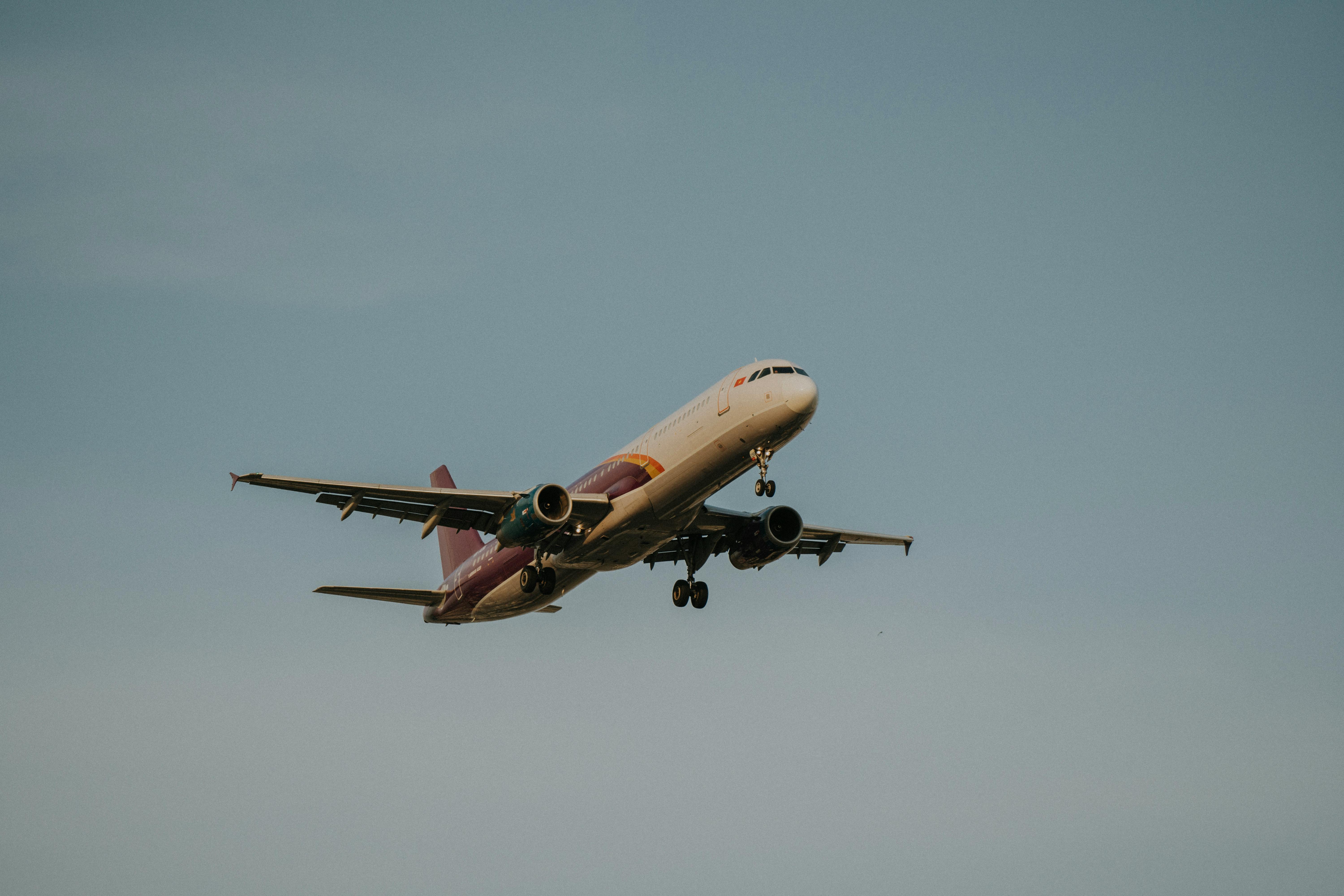
Passengers watching a delay grow often assume the flight will eventually operate. Sometimes it cannot, because the limiting resource is not the aircraft but the people licensed to fly it.
The working day is bounded, not flexible
Flight crews operate under duty and rest frameworks that cap how long they may work and require defined rest before the next assignment. The limits are regulatory and generally cannot be waived by agreement.
The clock typically starts before the first departure and keeps running through delays on the ground. Waiting counts, even when the aircraft has not moved.
A crew that reaches its limit stops working, whatever the commercial consequences. There is no partial credit for being close to the destination.
Delays consume the day faster than flying does
A crew scheduled for several sectors has planned duty built around expected turnarounds. A weather hold early in the day eats into margin that the rest of the pattern relies on.
By the third or fourth sector, an accumulated delay can leave insufficient time to complete the last flight legally, even though the flying itself would take only a couple of hours.
The cancellation appears sudden to passengers because the arithmetic crosses a threshold at a single moment.
Reserve crews are a finite pool
Airlines hold crews on reserve to cover exactly this problem. Reserves are positioned at bases, and their availability depends on where they are, when they last flew and how much rest they have had.
A reserve pilot in one city cannot rescue a flight in another without being transported there, and that transport is itself flying time or a long drive.
On a widely disrupted day the reserve pool is drawn down early, which is why later cancellations cluster.
Bases determine where recovery is possible
Crew members live and are assigned around bases. A disruption at a base airport is recoverable because replacements are nearby; the same disruption at an outstation often is not.
This is why an identical delay produces a cancellation at a small airport and a two-hour departure at a large one.
The knock-on lands the next morning
A crew that times out is also out of position. They must rest where they are, and their next day's assignments must be rebuilt around a new location.
Airlines spend the following morning repositioning people rather than only aircraft, which is why disruption often takes a full day longer to resolve than the weather that caused it.