
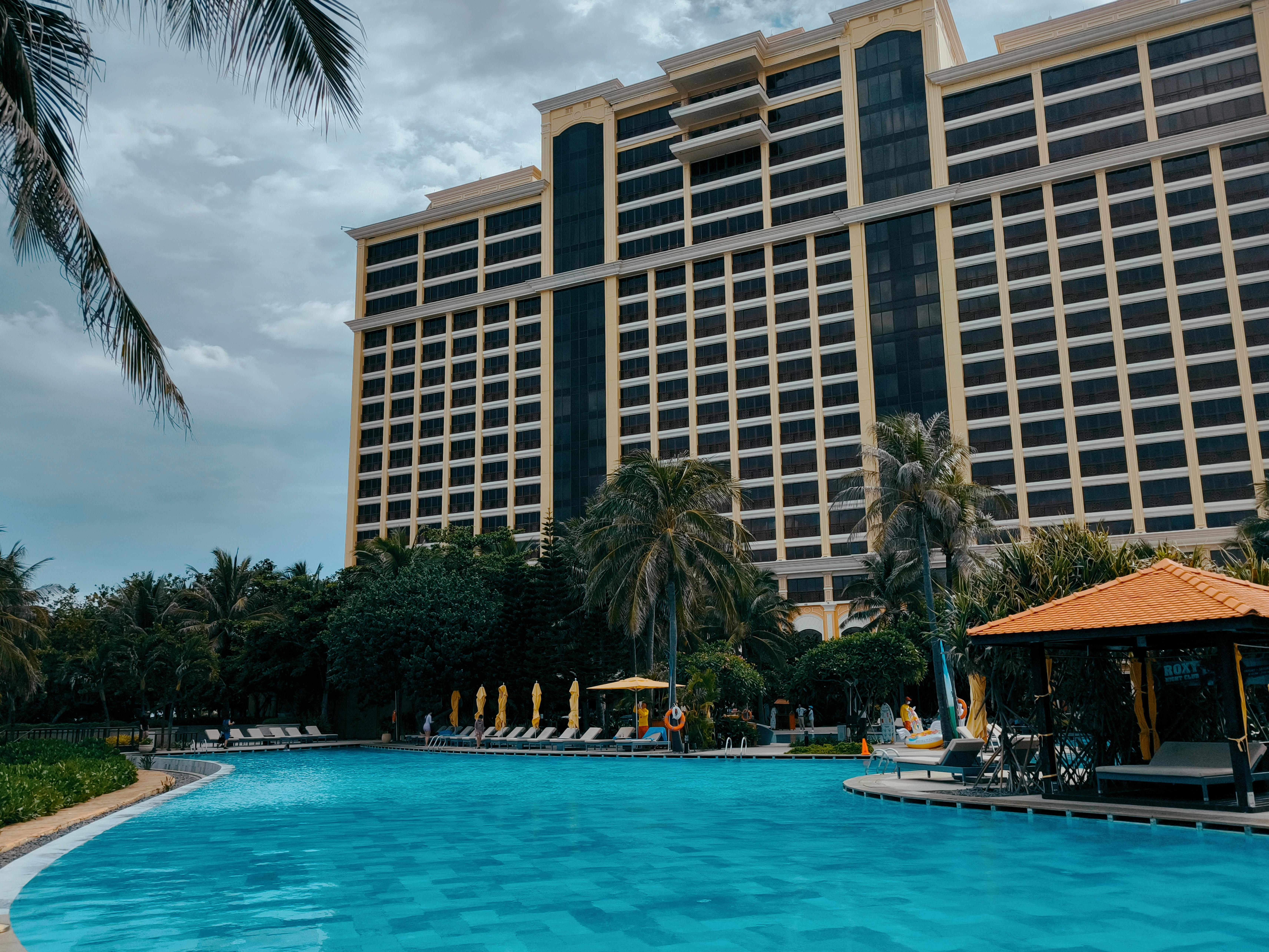
Hotels clustered around an airport rarely depend on walk-in travelers for their base occupancy. A substantial part of their business is contracted years in advance to airlines.
Crews need rest that meets specific conditions
Rest periods are only meaningful if crews can actually sleep, which makes the physical characteristics of the room part of the requirement rather than a preference.
Airlines look for quiet, effective blackout, reliable temperature control and short transfer times. A property that fails on noise cannot serve the contract regardless of its rates.
These are operational specifications, and they are why some airport hotels invest heavily in glazing and corridor soundproofing.
Contracted rooms behave differently from public inventory
A block of rooms committed to crew use is taken out of the pool that dynamic pricing draws on. The hotel is trading rate flexibility for guaranteed occupancy.
That guarantee is valuable because airline demand is steady across the calendar. Crews arrive on Tuesdays in February as reliably as they do in July.
The remaining public inventory is smaller, which is one reason airport hotel rates can spike unexpectedly on a busy night.
Transport is part of the arrangement
Getting crews between terminal and hotel is timed and reliable, because a late pickup can delay a departure. Shuttles run to airline schedules rather than to guest convenience.
Leisure guests at the same property benefit from that frequency, which is often better than a comparable hotel a short distance away can justify on its own.
The rhythm of the building is unusual
Crew rest happens at every hour, so corridors are quiet at times a normal hotel would be busy and active at three in the morning.
Housekeeping schedules work around occupied rooms all day, and properties often designate floors for rest so cleaning noise stays away from sleeping crews.
Guests sometimes read these signs as a hotel operating oddly when it is in fact operating precisely.
Disruption tests the commitment
On a heavily disrupted night, a hotel faces demand from stranded passengers at rates far above its contract. The contracted rooms remain committed regardless.
That obligation is exactly what the airline is paying for, and it is why crews are accommodated on nights when the general public finds no availability at all.
The arrangement is a form of insurance purchased in ordinary weeks and drawn on in bad ones.