
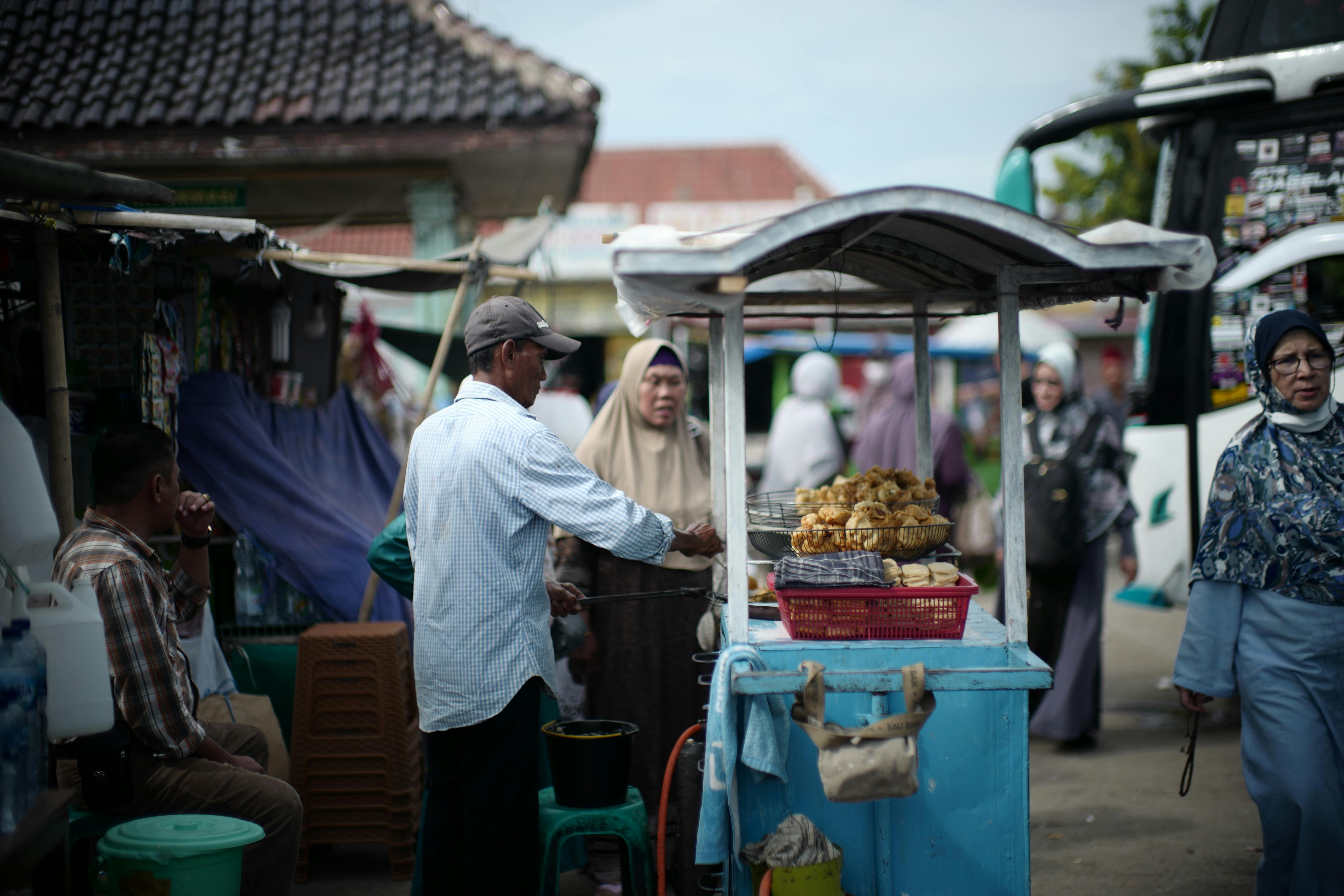
The dishes that define a region are largely a record of what could be produced there and what happened in the months when little could. Preservation shaped the cuisine as much as growing did.
The growing calendar sets the base ingredients
Climate and soil determine which staples were viable, and those staples anchor everything else because they were available in quantity and reliably.
Regions built around a grain, a root or a fish developed techniques specific to it, and those techniques then shaped how other ingredients were treated.
This is why neighbouring areas with different soil can have noticeably different cooking despite sharing language, weather and trade routes.
Preservation is where much of the character comes from
Curing, drying, fermenting, salting and pickling all exist because harvests are concentrated and consumption is not, and each method leaves a strong flavour signature.
The dominant method in a region generally reflects its climate. Humid places favour fermentation, dry ones favour air drying, and coastal areas favour salt.
Many dishes now regarded as delicacies began as ways of carrying a surplus through a lean season, which explains why they concentrate flavour so aggressively.
Feast dishes mark the calendar
Celebration foods often coincide with a slaughter, a harvest or the end of a preserving cycle, because that is when the ingredients existed in abundance.
The association survives long after the constraint disappears, so the dish remains tied to a date even where the ingredients are now available all year.
Travelling to a region during its festival period therefore gives access to preparations that are genuinely absent at other times.
Year-round supply has flattened the pattern
Refrigeration and long-distance transport mean most ingredients are obtainable at any time, and menus in many places no longer change much through the year.
What is lost is not variety but concentration, since produce harvested for transport is selected for durability rather than for how it tastes on the day.
Restaurants that restrict themselves to local supply are effectively reintroducing a constraint that the food developed under, which is why the results taste distinct.
Reading a menu for its seasonal logic
A menu that changes substantially between visits indicates a kitchen buying against availability rather than against a fixed specification.
Short menus with few options often signal the same thing, since a kitchen cooking what arrived cannot promise a long list.
Asking what is at its best rather than what is recommended tends to produce a more useful answer, because it addresses the constraint the kitchen is actually working within.