
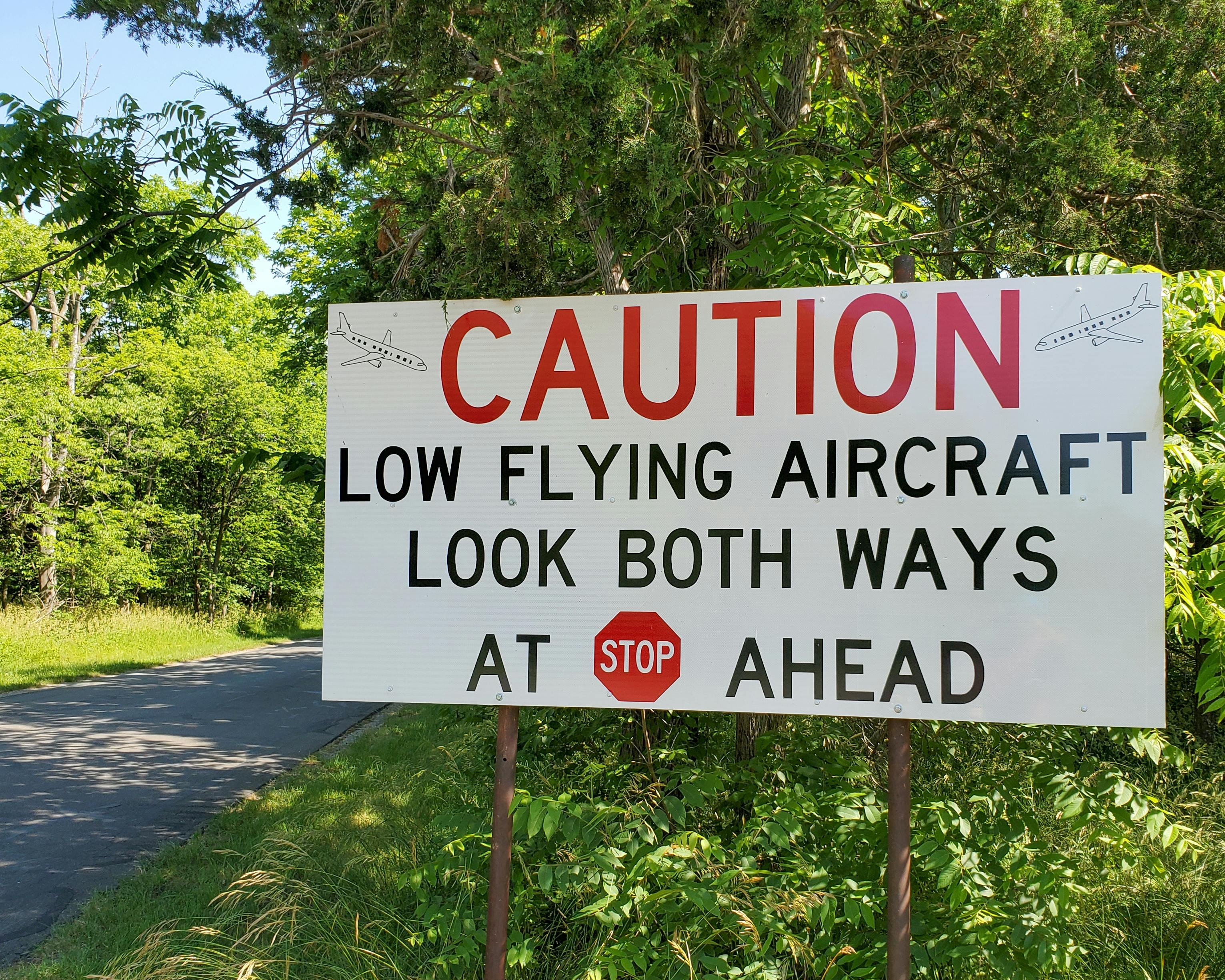
Your next flight could be a nightmare you never saw coming. Delays, cancellations, lost luggage, and even escalating safety concerns are spiraling out of control, threatening to derail your dream vacation or crucial business trip. Before you click "book" on another ticket, discover the shocking truth behind the airline industry's silent implosion and what it means for YOUR travel plans. The skies are turbulent, not just with weather, but with a hidden crisis that could leave you stranded, out of pocket, and questioning everything you thought you knew about air travel. Are you ready to face the reality before it grounds your journey?
🔥 What's Happening Right Now
The golden age of air travel, characterized by predictable schedules and relatively smooth journeys, feels like a distant memory for many American travelers. What was once a symbol of convenience and global connectivity is now frequently a source of stress, frustration, and unexpected costs. This isn't just a bad patch; it's a systemic, multi-faceted crisis silently exploding across the airline industry, impacting every aspect of your travel experience. From the moment you search for a flight to the moment you (hopefully) land at your destination, the cracks in the system are becoming impossible to ignore.
At the heart of this perfect storm is a critical and worsening pilot shortage. Years of underinvestment in training pipelines, coupled with mandatory retirement ages and the accelerated departures during the pandemic, have created a gaping void in cockpits across the nation. Major US carriers are struggling to staff flights, leading to an unprecedented number of cancellations, especially in regional routes that serve smaller communities. This isn't just about a few delayed flights; it's about entire routes being cut, reducing options, and funneling more demand into fewer available seats. The ripple effect is profound: overworked pilots, fatigued crews, and a constant scramble by airlines to re-route passengers, often with little success or compensation.
But the crisis isn't confined to the cockpit. Air Traffic Control (ATC) centers across the United States are facing their own severe staffing deficits. The National Air Traffic Controllers Association (NATCA) has repeatedly warned about dangerously low staffing levels, particularly at critical hubs. When controllers are stretched thin, the FAA is forced to implement "ground stops" and "ground delays," holding planes at their departure gates or in holding patterns, even on clear days. This directly translates to thousands of hours of lost time, missed connections, and an exponential increase in fuel burn – a cost ultimately passed down to you, the consumer. Imagine being ready for takeoff, only to be told you're stuck for hours because there aren't enough people managing the skies.
Adding to these operational headaches are persistent supply chain issues and an aging infrastructure. Airlines are struggling to acquire essential spare parts for maintenance, new aircraft deliveries are delayed, and the ground equipment necessary for efficient turnarounds is often outdated or in disrepair. This means more planes are spending more time in maintenance bays, further reducing available capacity. When a critical component is unavailable, an entire flight can be grounded indefinitely, turning a minor mechanical issue into a major travel nightmare. Furthermore, the sheer volume of post-pandemic travel demand has simply overwhelmed an infrastructure that wasn't built to handle it, from crowded terminals to strained baggage handling systems.
Perhaps the most alarming aspect of this hidden crisis, and one that has recently garnered significant media attention, are the escalating safety concerns. While air travel remains statistically one of the safest forms of transportation, a disturbing increase in "near-miss" incidents and operational errors has raised red flags with the Federal Aviation Administration (FAA). Reports of planes coming too close on runways, unauthorized incursions, and other serious operational lapses have prompted widespread investigations and calls for immediate action. These aren't isolated incidents; they point to a system under immense strain, where human error, exacerbated by fatigue and pressure, could have catastrophic consequences. The FAA itself has acknowledged the need for urgent improvements, but the sheer scale of the challenges means solutions won't appear overnight. For the discerning traveler, these headlines are a stark reminder that while the odds are still in your favor, the margins for error are narrowing.
The cumulative effect of these compounding factors – pilot shortages, ATC understaffing, supply chain woes, aging infrastructure, and escalating safety concerns – is an airline industry teetering on the brink. What you experience as a frustrating delay or cancellation is a symptom of a much deeper, more pervasive crisis that demands your attention before your next travel booking.
💡 Financial Impact
The hidden airline crisis isn't just impacting your peace of mind; it's directly hitting your wallet, often in ways you don't immediately perceive. The financial fallout for travelers is substantial, transforming what used to be a predictable expense into a costly gamble. Understanding these monetary implications is crucial for making informed travel decisions in this volatile environment.
First and foremost, the most visible impact is the soaring cost of airfares. With fewer available seats due to reduced capacity (thanks to pilot shortages and grounded planes) and a sustained surge in post-pandemic demand, airlines have little incentive to lower prices. Basic economy fares, once a budget-friendly option, now often rival prices that previously bought you a premium experience. What's more, the concept of "dynamic pricing" means that fares can fluctuate wildly based on demand, leaving travelers feeling like they're constantly chasing a moving target. Booking in advance offers some protection, but even then, last-minute changes or unexpected cancellations can force you into exorbitant rebooking fees or inflated prices for alternative flights.
Beyond the sticker price of a ticket, the proliferation of hidden fees continues to chip away at your travel budget. Baggage fees, seat selection charges, "priority" boarding costs, and even fees for changing a flight (even if the airline changes the schedule first!) are becoming the norm. While some airlines have adjusted their change fee policies, the underlying economic pressure means these costs are often recouped elsewhere. These seemingly small additions can quickly add hundreds of dollars to the total cost of your trip, turning a seemingly affordable flight into a significant financial burden.
The true financial drain, however, often comes from the cascading effects of delays and cancellations. Imagine booking a non-refundable hotel for a specific date, only for your flight to be canceled, forcing you to miss a night or even an entire stay. Or consider the business traveler who misses a crucial meeting, potentially losing out on a deal or facing professional repercussions. The cost of an unexpected overnight stay due to a missed connection – a hotel room, meals, ground transportation – can easily run into hundreds of dollars, especially in major airport hubs where prices are inflated. While some travel insurance policies offer coverage for these eventualities, this is yet another added expense that travelers now feel compelled to incur, further increasing the overall cost of their journey.
Furthermore, the value of loyalty programs and frequent flyer miles is being eroded. With fewer available flights and increased demand, finding award travel seats has become significantly more challenging. Airlines are also demanding more miles for the same routes, effectively devaluing your hard-earned points. This means that even if you've been a loyal customer for years, your rewards may not stretch as far as they once did, leading to disappointment and a feeling of being shortchanged.
Finally, the mental and emotional toll of dealing with travel disruptions also carries an intangible financial cost. The time spent on hold with customer service, the stress of rebooking, the lost productivity, and the sheer frustration of a ruined vacation can't be easily quantified, but they certainly detract from the overall value of your travel investment. The current airline crisis isn't just about getting from point A to point B; it's about the escalating financial risks and the diminished return on your travel spending, making it imperative to explore more reliable and cost-effective alternatives.
💰 Best Options in Comparison
Given the escalating airline crisis and its significant financial and emotional toll, it's time to rethink how we approach travel, especially for domestic journeys within the United States. While flying might seem like the quickest option, the hidden costs, stress, and unreliability are pushing many to explore alternatives that offer more control, comfort, and often, better value. Here's a comparison of viable options that can help you navigate the current travel landscape with greater confidence and enjoyment, focusing on commercial value for your next booking.
When considering these alternatives, think about your priorities: speed, comfort, cost, scenery, and control over your itinerary. Each option provides a distinct set of advantages that might just surprise you and save your next trip from becoming another airline horror story.
| Option | Pros | Cons | Best For | Commercial Link/Recommendation |
|---|---|---|---|---|
| High-Speed Rail | Comfortable seats, ample legroom, Wi-Fi, scenic routes, city-center arrivals, less security hassle, no baggage fees (usually), environmentally friendlier. | Limited routes in the US (growing), generally slower than flying for long distances, can be expensive for premium classes. | Short-to-mid distance travel (e.g., Northeast Corridor, California routes), scenic journeys, travelers seeking relaxation and productivity. | Explore Amtrak Routes & Fares for a stress-free journey. |
| Luxury Bus Travel | Highly cost-effective, extensive network, often direct routes between cities, increasing amenities (Wi-Fi, power outlets, reclining seats), less environmental impact than flying. | Can be slower than other options, less personal space than rail, varying levels of comfort depending on carrier and route. | Budget-conscious travelers, short-to-mid distance trips, exploring multiple cities without a car. | Find Affordable Bus Tickets or explore premium options like Wanderu for diverse carriers. |
| Road Trips / Car Rentals | Ultimate flexibility and control over itinerary, ability to explore off-the-beaten-path destinations, cost-effective for groups/families, pack as much as you want. | Can be tiring for long distances, fuel costs, potential for traffic, wear and tear on personal vehicle, rental car costs can add up. | Families, groups, travelers with pets, exploring national parks or scenic drives, those who enjoy spontaneity. | Compare Car Rental Deals or consider an RV Rental for an Epic Adventure. |
| Cruises (Specific Regions) | All-inclusive experience (food, entertainment, accommodation), multiple destinations without packing/unpacking, floating hotel convenience, diverse activities. | Limited to coastal or river destinations, potential for seasickness, can be crowded, fixed itinerary once aboard. | Leisure travelers, couples, families seeking a resort-like experience with multiple stops, specific regional exploration (e.g., Alaskan coast, Caribbean). | Discover Your Next Cruise Vacation or explore options on Royal Caribbean. |
| Private Jet / Charter | Unparalleled convenience, privacy, direct routes to smaller airports, no security lines, complete control over schedule, luxury experience. | Extremely high cost, not accessible for most travelers, limited to those with significant disposable income. | High-net-worth individuals, urgent business travel, maximum privacy and flexibility, avoiding all commercial airline hassles. | For exclusive travel, explore NetJets Fractional Ownership or Wheels Up Membership. |
The airline industry is in a state of flux, and while flying will always have its place, being informed about these robust alternatives can save you money, time, and a great deal of stress. By diversifying your travel options, you regain control over your journey and can truly enjoy the experience, rather than dreading the inevitable airport ordeal. Before your next trip, seriously consider if the "quickest" option is truly the best one for your budget and your sanity.
Conclusion
The "hidden airline crisis" is no longer hidden; it's an undeniable force reshaping the landscape of modern travel. From the compounding pressures of pilot shortages and understaffed air traffic control to the unsettling rise in safety incidents and the relentless drain on your finances, the commercial aviation industry is at a critical juncture. The days of simply booking a flight and expecting a smooth, predictable journey are, for now, largely behind us. This isn't just about minor inconveniences; it's about a systemic breakdown that demands a fundamental shift in how we plan and execute our travel.
We've explored the core issues driving this crisis, delving into the operational and safety concerns that should give every traveler pause. More importantly, we've laid bare the significant financial impact, from escalating airfares and hidden fees to the unforeseen costs of delays and cancellations that can easily derail your budget and your plans. The era of cheap, reliable air travel is over, at least for the foreseeable future, making informed decision-making more critical than ever.
But this isn't a call to stop traveling altogether. Quite the opposite. It's an urgent invitation to travel smarter, to embrace the wealth of alternatives that offer greater control, comfort, and often, superior value. Whether it's the scenic comfort of high-speed rail, the budget-friendly expanse of luxury bus routes, the unparalleled freedom of a road trip, or even the unique experience of a cruise, there are numerous ways to reach your destination without subjecting yourself to the escalating chaos of commercial air travel. By considering these options, you not only mitigate the risks associated with the current airline crisis but also open yourself up to new, often more enriching, travel experiences.
Don't let the unfolding airline crisis ground your dreams or empty your wallet. Empower yourself with knowledge, explore the alternatives, and reclaim the joy of travel. The skies may be turbulent, but your journey doesn't have to be. For more insights, exclusive deals, and smarter travel strategies, keep visiting traveltalksworld.com – your trusted guide to navigating the world, no matter how you choose to explore it.