
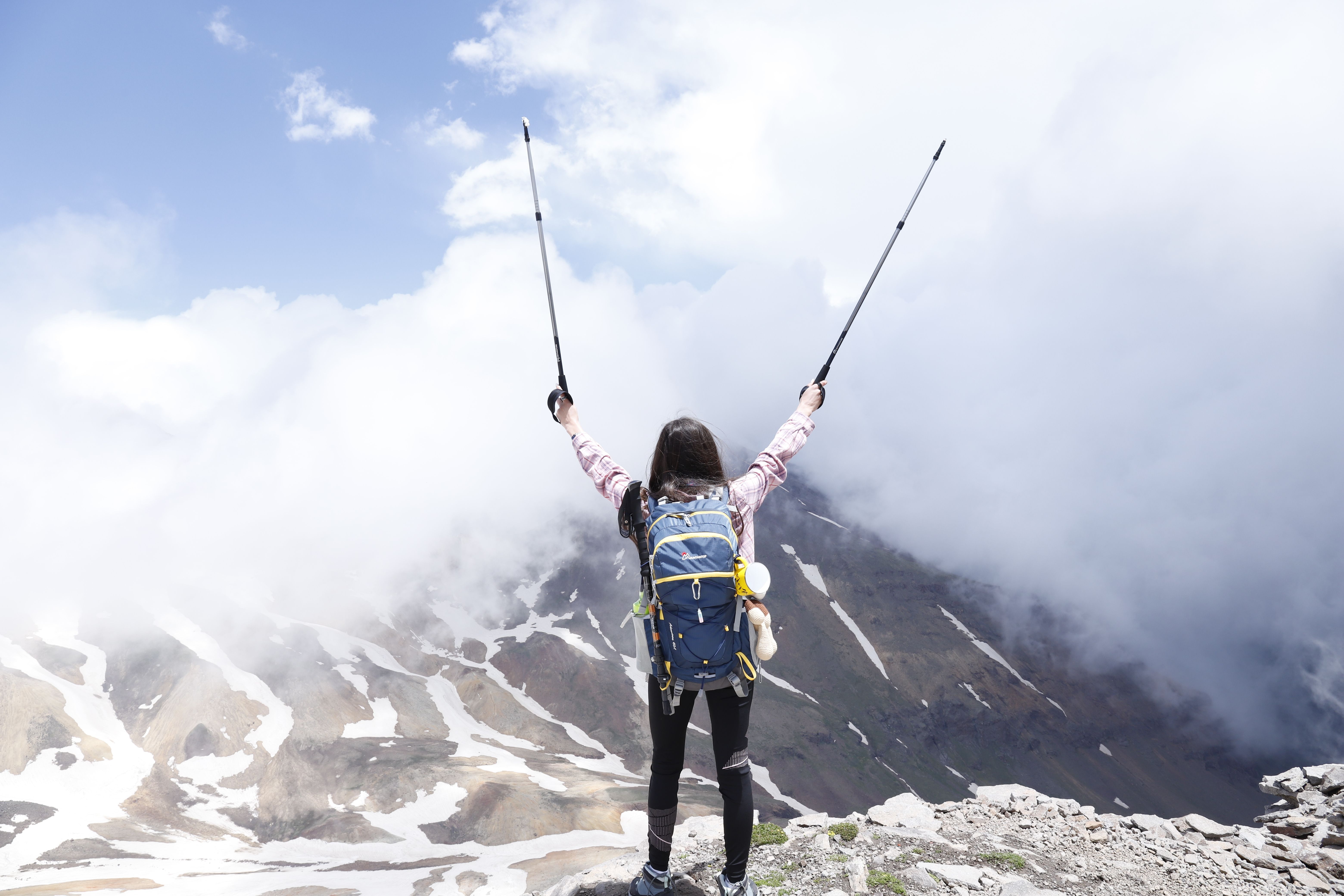
High-altitude itineraries spend days covering distances that would take hours at sea level. The pace is set by physiological adjustment, which does not respond to fitness or willpower.
The problem is pressure, not oxygen concentration
The proportion of oxygen in the air stays roughly constant with height. What falls is atmospheric pressure, which reduces how much oxygen crosses into the blood with each breath.
The body responds with a series of adjustments over days, including changes to breathing rate and to the blood's oxygen-carrying capacity.
These changes take time that cannot be shortened by training beforehand, which is why very fit people are not protected and sometimes fare worse by ascending faster.
Schedules are built around sleeping height
Guidance for ascent focuses on the altitude at which each night is spent rather than the highest point reached during the day.
This is the origin of the pattern of climbing high and descending to sleep lower, which allows exposure without committing the body to a full night at that height.
Rest days are placed where the cumulative gain has been largest, and they exist to let adjustment catch up rather than to relieve tiredness.
Symptoms are the reason the schedule is conservative
Altitude illness can develop in people of any age or fitness level, and its early signs are non-specific enough to be mistaken for fatigue or dehydration.
Because the serious forms can progress quickly, itineraries are built with margins that assume some members of the group will be affected.
Anyone travelling to significant altitude should discuss it with a doctor beforehand, particularly where existing conditions or medication are involved, as this piece describes scheduling rather than medical guidance.
Descent is the response that operators plan for
The standard action when someone deteriorates is to lose height, and expedition planning treats the availability of a descent route as a design requirement.
This shapes route choice more than it appears. A profile that leaves a group high with no quick way down is avoided even when it is shorter.
Group size and guide ratios are set partly so that one person can be escorted down without the entire trip ending, which requires spare staff.
Short trips carry the compressed version of the risk
Itineraries advertised as reaching high places in a few days achieve it by ascending faster than standard guidance suggests, which is the trade being made.
Air access compounds this, since flying directly to a high airstrip removes the gradual gain that a walk-in would have provided.
Comparing two trips to the same objective by their ascent profile rather than their total length is the clearest way to see what has been removed.