
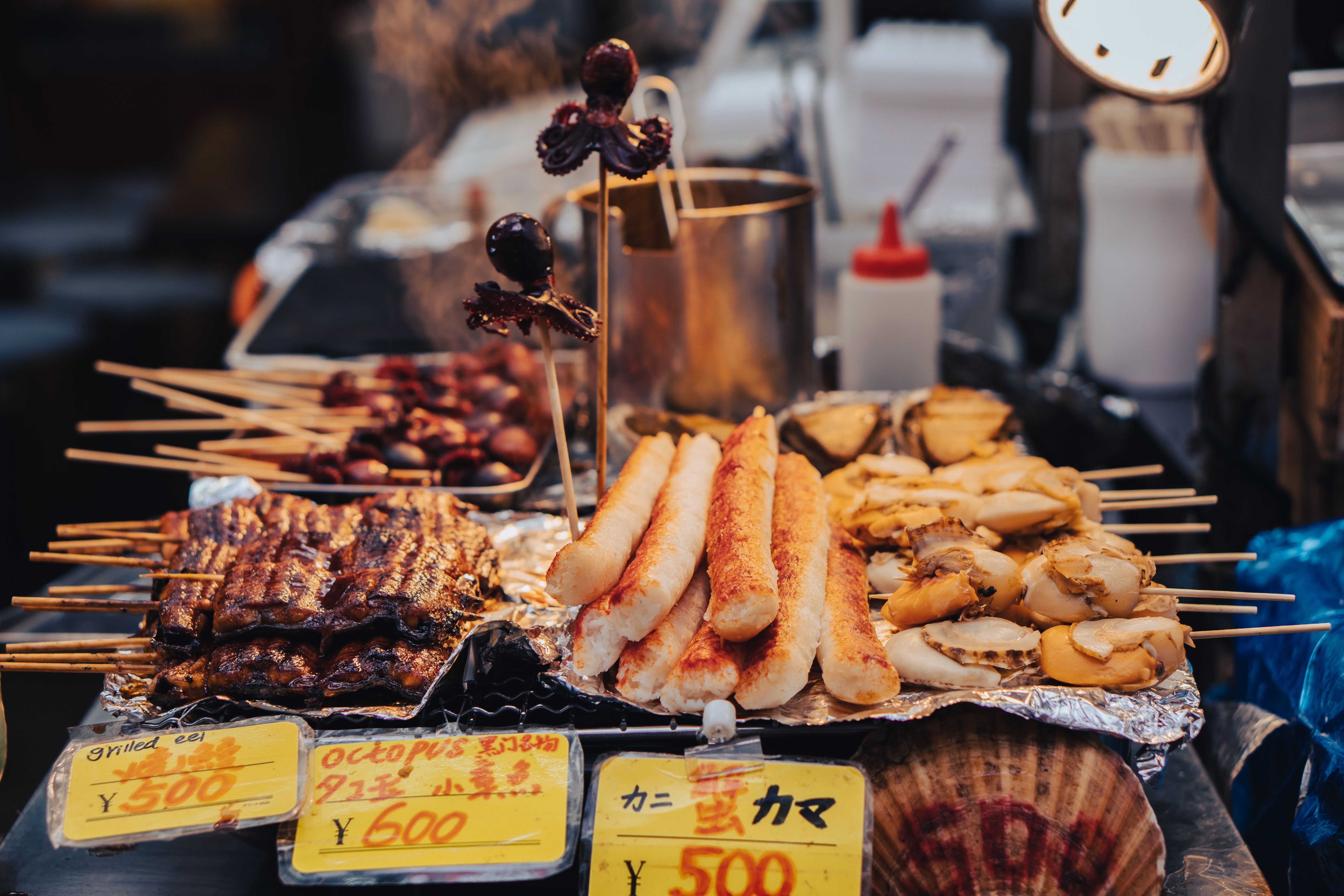
The same market stall can produce noticeably different food at seven in the morning and at two in the afternoon. Supply chains and stall economics explain most of the gap.
Deliveries arrive overnight and are graded early
Fresh produce, fish and meat reach urban markets in the small hours, and traders sort their stock before the public arrives rather than during trading.
The best items are separated first and frequently committed to restaurant buyers who attend early precisely because they know this.
By mid-morning what remains on display is the residue of that sorting, which is not poor but is measurably not the same selection.
Cooked stalls work to a different rhythm
A stall serving cooked food prepares in batches, and the first batch is made when the cook is fresh, unhurried and working with the morning's delivery.
As the day fills, output shifts towards holding food warm and turning it over quickly, which suits some dishes and damages others.
Items that depend on being served immediately after cooking are therefore best early, while slow-cooked dishes often improve as the day progresses.
Prices move in both directions across the day
Early trading commands a premium in some markets because the buyers present are professionals paying for first choice.
Late trading discounts sharply where produce cannot be held overnight, and traders would rather recover something than carry stock they will lose.
The cheapest and the best are consequently at opposite ends of the day, and which one matters depends entirely on what the buyer intends to do with it.
Who is eating changes what is cooked
Early customers at a working market are largely traders and local workers, and stalls serve them the substantial, quickly eaten dishes that suit that trade.
Later in the day the mix shifts towards visitors, and menus broaden towards what is recognisable and photographable rather than what the stall does best.
Arriving early is therefore partly a way of eating what the market feeds itself, which is a more reliable signal of quality than any recommendation.
Seasonal markets compress the whole pattern
Where a market operates only on certain days or during a harvest, the early advantage sharpens because supply is finite and does not replenish.
Specific items sell out within an hour, and traders who make them do so in a quantity fixed the night before.
Asking a stall what time something is ready, rather than what it costs, gets closer to how these markets actually function.