
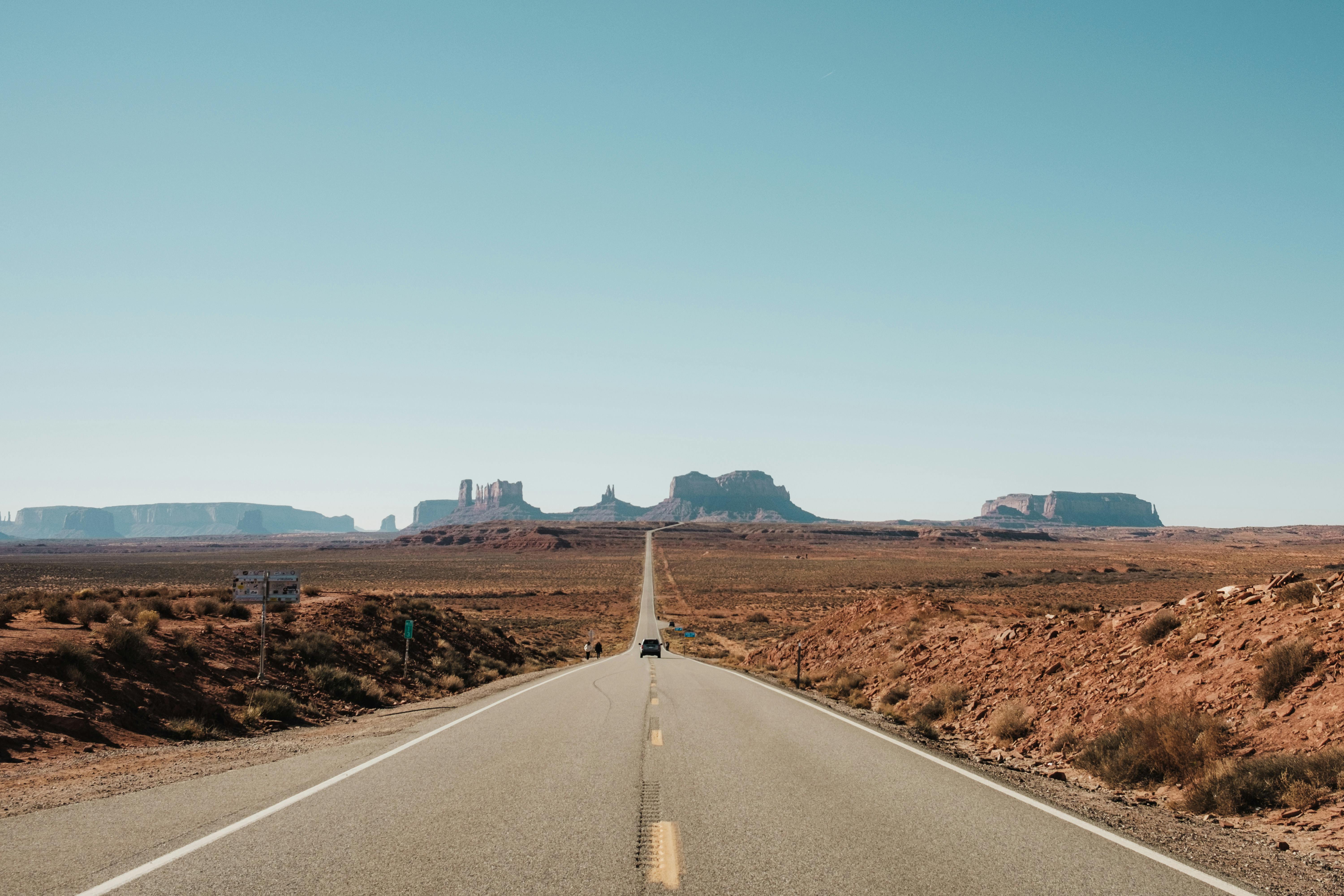
A scenic drive routinely takes half as long again as the estimate suggested. The gap is systematic rather than bad luck, and it comes from what the estimate assumes about progress.
Estimates assume uninterrupted travel
Routing software calculates time from road classification and posted limits, adjusted for typical traffic, and it assumes the vehicle keeps moving throughout.
On a motorway that assumption holds well, because there is little reason to stop and the speed is close to the limit for most of the distance.
On a scenic road it fails, since the whole purpose of the route is to stop, and each stop adds time the calculation never included.
Curves and gradients reduce achievable speed
A road with continuous bends is driven well below its posted limit by most drivers, particularly those unfamiliar with it or driving a loaded vehicle.
Climbs slow heavier vehicles considerably, and descents on a road without overtaking opportunities hold everything behind them at the same pace.
The average achieved over an hour on such a road is far lower than the limit suggests, and the difference compounds across a long day.
Scenic roads carry slow traffic by design
These routes attract vehicles that are themselves sightseeing, including motorhomes, coaches and cyclists, all moving slower than the road allows.
Overtaking is limited by the same curves that make the road attractive, so a single slow vehicle sets the pace for a long queue behind it.
Traffic is also concentrated in season, which means the busiest periods are exactly when the road is least able to accommodate the volume.
Stopping is not a fixed cost
A viewpoint stop rarely takes the few minutes intended, because parking, walking to the view and returning consume more time than the stop itself.
Popular viewpoints have limited parking, so a stop can involve waiting or continuing past and returning, which adds distance as well as time.
Planning around a realistic number of stops rather than a target arrival time removes most of the pressure these routes generate.
Daylight is the real constraint
A scenic route driven in darkness delivers none of what it was chosen for, so the usable portion of the day is shorter than the driving day.
This matters most outside summer and at higher latitudes, where the difference between available light and total time is substantial.
Working backwards from sunset rather than forwards from departure is the planning method that fits how these routes actually consume a day.